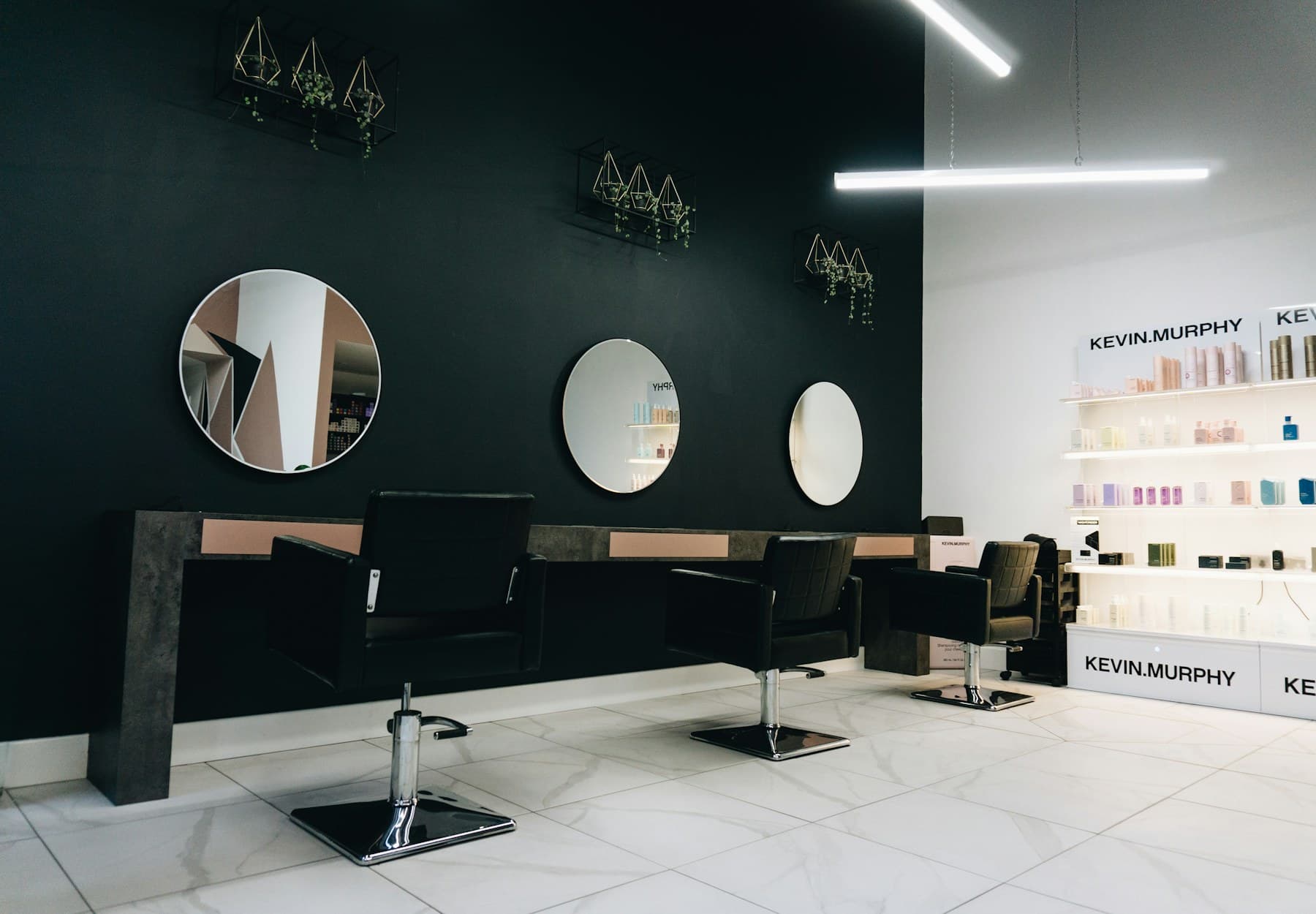
Stock and product usage
How to measure colour usage and manage stock in a hair salon?
A salon can have dozens of colour tubes and still run out of the exact shade needed for an appointment. Some products are used faster than expected, while others sit on the shelf for months. It is hard to plan orders without knowing how much product services actually use.
Stock management should therefore start with actual product usage. This matters particularly for hair colour: a service often uses only part of a pack, with the rest returning to the shelf.
How can product records reflect what really happens in the salon?
Where should good salon product management begin?
Start with one up-to-date product register. Include colours, developers, lighteners, toners and other products used during services.
You do not need to list every glove or paper towel immediately. Begin with products that matter most to day-to-day work and the value of your stock.
For each product, record the following information:
| Product information | Why record it? |
|---|---|
| Brand, line and shade | Distinguish similar products |
| Pack size | Know how much product enters stock |
| Unit of measurement | Avoid mixing pieces, grams and millilitres |
| Current stock | Plan purchases |
| Purchase price | Know the value of stock |
| Supplier | Recreate an order quickly |
| Minimum stock | Know when to start replenishing |
Include the product remaining in opened packs. A 60 g colour tube can last for several services, so the number of packs on the shelf does not show how much usable product remains. Recording the amount used for each service gives a more accurate picture.
Agree who updates the product list, receives deliveries and checks stock. One person may do all of this in a small salon. Larger teams can share the responsibilities while keeping one consistent recording process.
How should colour usage be recorded so that stock records match reality?
Recording that a pack has been opened provides too little information. One tube may contribute to several different mixes, and one appointment can use products from several packs.
Record colour usage in grams while preparing the mix.
If a mix uses two shades and a developer, record each product separately at its actual measured quantity. The salon can then see how much of each shade was used, rather than only how many tubes were opened that week.
These records help answer practical questions:
- Which shades are used regularly?
- How quickly is a particular developer used?
- Will a product line last until the next delivery?
- Does the physical stock match the records?
Manual recording is possible, but requires consistency and additional time. Dosiq helps record actual usage while a mix is prepared, including with a Bluetooth scale.
A colouring service leaves a record of the colours and developers used. The salon manager can use that history to see which products are used most often and plan purchases.

Record actual colour usage
Usage history and stock levels are different things. History shows products used during services; stock management also accounts for available supplies and helps determine what to order.
See how Dosiq worksWhy do the records sometimes differ from the products on the shelf?
Even a well-maintained register needs periodic checking.
Discrepancies may arise when receiving deliveries, moving products between stations, using products for other purposes or entering data. Packs can also be damaged or products withdrawn from use.
Set a regular process for checking stock. High-turnover products, such as popular shades and developers, can be checked weekly. A broader comparison of the shelves and records can be made monthly.
During each comparison, record:
- The quantity shown in the register.
- The quantity physically available.
- The size of the difference.
- Its likely cause.
- The adjustment made.
Different discrepancies have different causes. Repeated differences in newly delivered products suggest checking the receiving process. Differences in products used at several stations may relate to how usage is recorded.
Good records help improve how the salon works. Adjusting a number alone does not explain why the difference occurred.
When should more colour and developer be ordered?
Two useful reference points are minimum and target stock levels.
The minimum is the level at which replenishment should begin. The target is the quantity you want to restore stock to.
Both should reflect product consumption, delivery frequency and lead time.
For example, a salon uses four tubes of a popular shade per week. A wholesaler normally delivers within three working days, but delays occur. The minimum should cover expected usage while waiting and a reasonable buffer for delays.
A shade used every day needs a different purchasing approach from a product needed for a few appointments each month.
Illustrative order list
| Product | Current stock | Minimum | Target | Quantity to order |
|---|---|---|---|---|
| Colour A, 60 g | 3 packs | 4 packs | 10 packs | 7 packs |
| Colour B, 60 g | 6 packs | 3 packs | 8 packs | 0 packs |
| Developer, 1000 ml | 2 packs | 3 packs | 5 packs | 3 packs |
Illustrative data only. Minimum and target quantities must be adapted to the individual salon.
In this example, colour A and the developer need replenishment. Colour B does not yet need ordering even though it is below its target: it has not fallen below the minimum threshold.
This is a basic replenishment rule. Dosiq stock features support minimum and target quantities and calculate recommended order quantities.

Order products at the right time
Also consider expiry dates and how often shades are used. A larger order is not always better, particularly if some products remain on the shelf for a long time.
Explore stock management featuresWhich products need more frequent checks?
Not every stock item needs the same attention. A useful starting point is to divide products into three groups:
- High-turnover products: frequently used shades, developers and products whose absence could disrupt scheduled services. Check these regularly.
- Occasionally used products: specialist shades and products required for specific techniques. Plan purchases around upcoming appointments.
- Slow-moving products: products that have not been used for some time. Review expiry dates, their place in the current service offering and whether they need reordering.
This helps set priorities. The team does not need to check the entire stockroom every day, and the manager can focus on shortages or surpluses that affect salon work.
What should be reviewed weekly and monthly?
Stock data is most useful when it leads to specific decisions.
A weekly review can focus on current needs: popular products, shortages, deliveries and the shopping list. A monthly review can look more broadly at consumption and slow-moving stock.
| Frequency | What to check | Decision supported |
|---|---|---|
| Weekly | Products below minimum stock | What needs ordering |
| Weekly | Scheduled deliveries and appointments needing specific products | Whether supplies will last |
| Weekly | Discrepancies in high-turnover products | What needs investigation |
| Monthly | Consumption of individual products | How to adjust order sizes |
| Monthly | Slow-moving products and approaching expiry dates | What should not be reordered automatically |
| Monthly | Stock value | How much money is held in stock |
When comparing months, account for the number and type of services performed. Higher consumption may simply reflect more colouring appointments or different techniques.
In Dosiq, usage history and material statistics let you analyse product consumption over time. This is a useful addition to stock information, especially when the salon wants to make purchasing decisions based on actual demand.
How much could more accurate usage recording potentially save?
More accurate records help assess how products are used. To explore the potential financial effect of reducing unused mixes, run a separate simulation.
Patryk Warecki, the creator of Dosiq, prepared a potential savings calculator. It estimates possible benefits from the assumptions entered about salon work.
The result is a forecast, not a measurement of actual savings. It also does not capture the full financial effect of stock-management changes, such as reducing slow-moving stock or emergency orders.
To assess those areas, compare your own stock records across successive months.
How can a salon keep its stock organised over time?
Stock stays organised most easily when updating product quantities is part of everyday work.
Record products after deliveries and actual usage during colouring. Regular checks help prepare orders early and identify products that have remained on the shelves for too long.
Manual records can take considerable time in a salon with several stations. Dosiq connects recording colour usage with stock-management features, helping managers check availability and plan orders using everyday team activity.